4.9 Star Google Rating




What We Do
Every major air conditioning system type, supplied, installed and serviced across Sydney. Compare split, multi split, ducted, cassette and VRV systems before you commit.

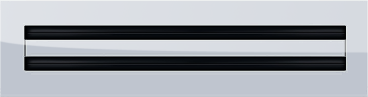
Designed for quiet and uniform cooling, ducted systems provide discreet and effective temperature control for every room.
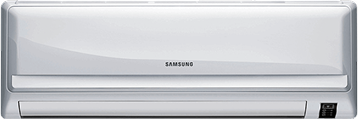
Perfect for smaller areas, split systems offer cost-effective and energy-efficient climate control with straightforward installation.
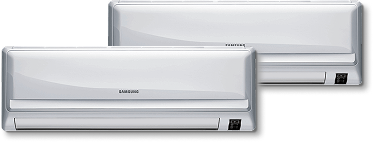
Connect multiple indoor units to a single outdoor unit, optimising energy efficiency and cooling multiple areas at once.
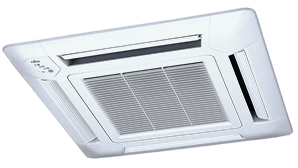
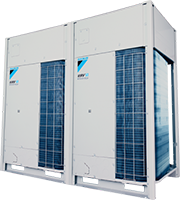
Engineered for efficiency and reliability, our commercial systems deliver high-performance cooling for any business.
Enhance air quality with premium filters that reduce allergens and pollutants, ensuring a healthier space.












There is no single best air conditioner. There is only the right one for the room, the building and the way you actually use it. A studio apartment, a two storey family home and a retail floor each need a different answer. This page compares the five system types we supply and install across Sydney so you can narrow the field before anyone quotes.
| System | Best for | What it needs | Detail |
|---|---|---|---|
| Single split | One room or a small living area | Wall space inside, space outside for one condenser | Split systems |
| Multi split | Two to five rooms with limited outdoor space | One condenser, a head in each room | Multi split systems |
| Ducted | Whole home coverage with zoning | Roof void or subfloor for ducts, ceiling outlets | Ducted systems |
| Ceiling cassette | Open plan living, retail and offices | Suspended or accessible ceiling with depth | Ceiling cassettes |
| VRV / VRF | Multi storey and mixed tenancy commercial | Plant space, longer pipe runs, building controls | VRV systems |
One room, one problem, one solution. A single split is the lowest cost way into air conditioning and the easiest to install. For a bedroom, study or a single living space it is usually the sensible answer, and there is no reason to overcomplicate it.
Two or three rooms to treat and nowhere to put three outdoor units. A multi split runs several indoor heads from one condenser, which suits townhouses, apartments and homes with a narrow side path. You also get independent temperature control in each room.
Ducted is the whole home answer. One indoor unit, hidden ductwork and outlets in the ceiling, split into zones so you are not paying to cool empty rooms. It needs roof or subfloor access, and the design work behind the ceiling decides how well it performs. Best value when installed during a build or renovation, though retrofits are common.
A cassette sits flush in the ceiling and throws air in four directions, so a large room cools evenly instead of blasting one wall. Nothing occupies wall space and there is no unit at eye level. They need ceiling depth, which makes them a natural fit for suspended ceilings in commercial spaces and a considered choice for homes.
VRV and VRF systems run many indoor units from one outdoor plant, each controlled independently, with the ability to heat some zones while cooling others. They are the standard for multi storey offices, mixed tenancy buildings and sites with long pipe runs. The design and commissioning work is where these systems succeed or fail.
Capacity comes from a heat load calculation, not a floor area guess. Zoning decides running cost. Get those two right and the brand argument matters far less than most people think.
The cheapest system to install is rarely the cheapest to run. An efficient inverter unit costs more on day one and less every summer after. Decide how long you are staying in the property before you trade one for the other. Compare brands on our brands page, or go back to air conditioning in Sydney to start again.
Five types cover almost every job: single split systems for one room, multi split systems for two to five rooms from one outdoor unit, ducted systems for whole home coverage, ceiling cassettes for open plan and commercial spaces, and VRV or VRF systems for larger commercial buildings. The right one depends on the rooms, the building and your budget.
A single split system is the cheapest to supply and install because it involves the least labour and materials. Multi splits cost more because there are several indoor heads. Ducted is the most expensive residential option once ductwork, outlets and zoning are included. Ceiling cassettes and VRV systems sit at the commercial end of the scale.
Running cost comes down to how much space you condition and how well you zone it. A split system cooling one room costs less than a ducted system cooling the whole house, simply because it is doing less work. Within any type, a higher star rating and sensible set points make the biggest difference to your bill.
If you want every room treated and you have roof or subfloor access, ducted with zoning is the better whole home answer. If you only need one to three rooms cooled and want to avoid ceiling work, split or multi split systems are simpler and cheaper. Many homes end up with a mix of both.
A multi split runs two to five indoor heads from a single outdoor condenser. It suits homes with limited outdoor space, apartments and townhouses where several condensers would be impractical or against strata rules. Each indoor unit is controlled independently, so different rooms can sit at different temperatures at the same time.
A cassette mounts flush into the ceiling and distributes air in four directions, which cools a large open room more evenly than a wall mounted unit. It uses no wall space and sits out of sight. Cassettes need ceiling depth to install, so they suit suspended ceilings and open plan commercial spaces best.
VRV and VRF describe the same technology under different brand naming: one outdoor plant running many indoor units, each controlled separately. They handle long pipe runs and allow simultaneous heating and cooling in different zones. They suit multi storey offices, mixed tenancy buildings and larger commercial sites rather than typical homes.
Yes, and it is often the smartest design. A ducted system for living areas and bedrooms plus a split for a converted garage or home office is common. Mixing types lets you avoid running ductwork into awkward spaces. We assess the whole house rather than selling one system for every room.
Capacity comes from a heat load calculation covering room volume, ceiling height, glazing, insulation, orientation and occupancy. Floor area alone is a rough starting point at best. An oversized unit short cycles and never dehumidifies properly, while an undersized one runs flat out and fails early. We calculate it on site.
Yes. We supply, install, service and repair split systems, multi splits, ducted systems, ceiling cassettes and VRV and VRF systems across Sydney, for homes and commercial sites. We work with Daikin, Mitsubishi Electric, Fujitsu, Panasonic, Actron Air and other major brands, so we can match the system to the job.