4.9 Star Google Rating



 Skip to main content
Mitsubishi
Looking for Mitsubishi Air Conditioning specialists in Sydney? Skycon Air is Sydney’s leading choice for reliable Mitsubishi air conditioning supply, installation, and repair services.

Mitsubishi Electric Air Conditioning

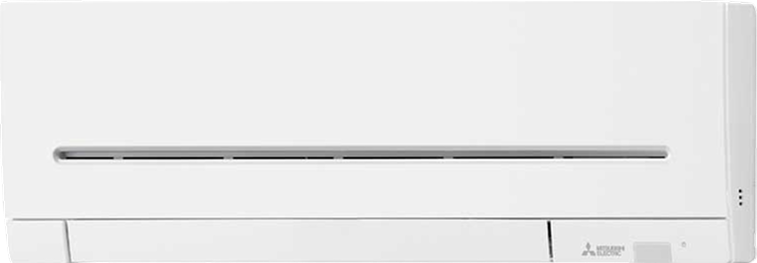
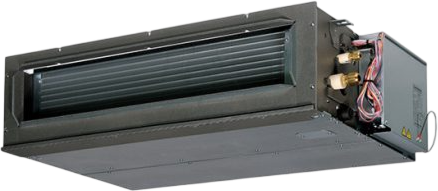
We specialize in installing, servicing, and repairing all Mitsubishi Electric models, including split systems and ducted units.
Fast response times for both maintenance and emergency repairs.
Our regular servicing optimizes energy efficiency, helping you save on costs while extending system life.
We focus on delivering high-quality workmanship and minimal disruption to your space.
Blocked filters, refrigerant leaks.
Loose parts, motor issues.
Dirty coils, poor system performance.
Faulty capacitor, electrical problems.
If you’re upgrading your Mitsubishi Electric system, our experts will guide you through choosing the best model for your needs and ensure a flawless installation.
Regular maintenance helps maintain peak performance, boosts energy efficiency, and prolongs the life of your system.
Every 12 months.
Every 6 months.
Every 3 months.
Maintained systems consume less power.
Preventative maintenance minimizes repair needs.
Clean filters and coils improve air quality by reducing dust and allergens.
Regular servicing extends the overall lifespan of your unit.

Mitsubishi Electric systems are engineered around precise control rather than raw grunt, which is why sizing and positioning matter so much on these units. We measure the room, check glazing, insulation, ceiling height and orientation, then calculate the load before recommending a model. A system that is too large will short cycle and leave the room feeling clammy even though the thermostat says it is cold enough.
Wall and ceiling structure, outdoor unit position and clearances, pipe run length and fall, drainage route, and whether the existing circuit can carry the load. If the switchboard needs work it appears in the quote, not after the unit is on the wall. For a wider view of options, see split system installations.
Mitsubishi Electric indoor units monitor more than air temperature on several models, and that shows in sticky weather. A correctly sized inverter running at part load removes moisture steadily. An oversized unit blasts the room to temperature in minutes and shuts down before it has dried the air, which is why some rooms feel cold and damp at the same time.
Ducted outcome is decided by design, not by the badge. One indoor unit, a duct network and zoned outlets. We map duct runs, outlet positions and return air paths before cutting anything, then confirm airflow at each outlet rather than just at the unit. Raked ceilings, double brick and heritage homes change both the approach and the cost, and we tell you before you commit.
Zoning is the single biggest influence on running cost. Bedrooms on one zone, living on another, spare rooms isolated. Without it you pay to condition the whole house every time. Compare ducted air conditioning if you are weighing up whole home coverage.
These systems report faults precisely, which is an advantage when someone actually reads the code. The order you test in still decides whether a repair is cheap or expensive, and airflow and pressures come before anyone swaps a board.
| Symptom | Likely cause | What we test |
|---|---|---|
| Running but not cooling | Refrigerant leak or restricted airflow | Pressure test, coil condition, filter and duct restriction |
| Fan runs at one speed only | Fan speed control or motor fault | Motor draw, control signal, board output |
| Temperature reading looks wrong | Sensor fault, indoor or outdoor | Sensor resistance against ambient, then the board |
| Unit stops and restarts repeatedly | Communication fault between units | Wiring continuity, control voltage, board communication |
| Water leaking inside | Blocked drain or blocked pan | Drain flow and fall, pan condition |
| Error code on the controller | Depends on the code | Code table below, then that circuit specifically |
On a split the fault is usually in the head, the outdoor unit or the pipework between them. On ducted, a large share of faults live in the ductwork, the zone dampers or the return air path while the unit works perfectly. We test the whole system so you are not paying to replace a component that was never the problem.
The controller shows a code when the system protects itself. Mitsubishi Electric separates indoor faults into the P series and outdoor faults into the U series, so the letter alone tells you where to look. Every code below links to its own page in our Mitsubishi Electric error codes library.
| Code | Meaning | Section |
|---|---|---|
| P0 | Indoor PCB malfunction | Indoor |
| P1 | Indoor fan motor malfunction | Indoor |
| P2 | Fan speed control malfunction | Indoor |
| P3 | Temperature sensor malfunction | Indoor |
| P4 | External communication failure | Indoor |
| P5 | Indoor humidity sensor malfunction | Indoor |
| P6 | Indoor temperature sensor malfunction | Indoor |
| U0 | Refrigerant leak detected | Outdoor |
| U1 | High pressure sensor malfunction | Outdoor |
| U2 | Low pressure sensor malfunction | Outdoor |
| U3 | Communication failure between indoor and outdoor units | Outdoor |
| U4 | Outdoor PCB malfunction | Outdoor |
Two worth flagging. U0 is a detected refrigerant leak rather than a pressure switch trip, so it needs a pressure test and a proper leak search, not a top up. P5 is a humidity sensor fault, which on a Sydney system often shows up as erratic dehumidifying before anyone notices a code at all.
Servicing is what keeps efficiency up and the manufacturer warranty intact. Every indoor head has its own filter, coil and drain, so ducted and multi head systems take longer than a single split and are priced accordingly.
| System | Interval | What gets done |
|---|---|---|
| Split, home | Every 12 months | Filter, coil, drain flush, refrigerant and electrical checks |
| Multi split | 12 months, 6 near the coast | Each head serviced separately plus the condenser |
| Ducted | 12 months, filters quarterly | Duct inspection, zone test, coil and drain |
| Commercial | Every 6 months | Higher duty cycle, documented records |
Book Mitsubishi Electric servicing before summer. If something is already failing, start with repairs. For the wider range, see the brands we service or all of our air conditioning in Sydney.
Mitsubishi Electric sits at the premium end, and it is worth being plain about what that means. The extra spend buys tighter temperature control, quieter operation, better humidity handling and a longer expected service life. What it does not buy is immunity from a bad install. A premium unit on undersized pipework or a duct design that starves half the house will perform worse than a mid range unit installed properly. That is why we quote the install in detail rather than treating the unit as the whole job.
Two quotes for the same room can differ simply because they name different series, and this range has several. Start by checking the model numbers match, then look at what sits around them: is the capacity calculated, is the electrical work in scope, is the pipe allowance realistic for where the outdoor unit has to sit, and does the quote mention commissioning and handover. A premium system installed without those last two is the most expensive mistake on this page.
What Sydney homeowners and property managers ask us most about Mitsubishi Electric systems.
It depends on capacity, whether it is split or ducted, the pipe run and any electrical work required. Mitsubishi Electric sits toward the premium end of the market, so you are paying for control and quietness as much as capacity. Our current packages for this brand are listed on this page with models and pricing, and anything not listed gets a written quote after assessment.