4.9 Star Google Rating



 Skip to main content
Rinnai
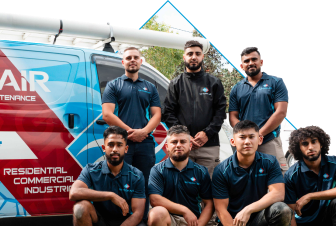
Looking for Rinnai Air Conditioning specialists in Sydney? Skycon Air is Sydney’s leading choice for reliable Rinnai air conditioning supply, installation, and repair services.
Rinnai Air Conditioning
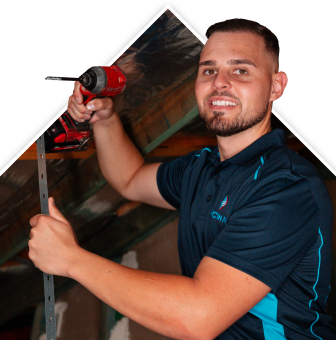
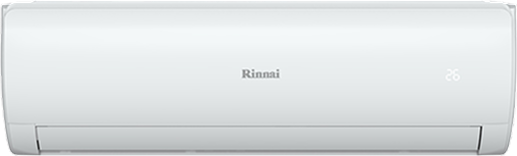
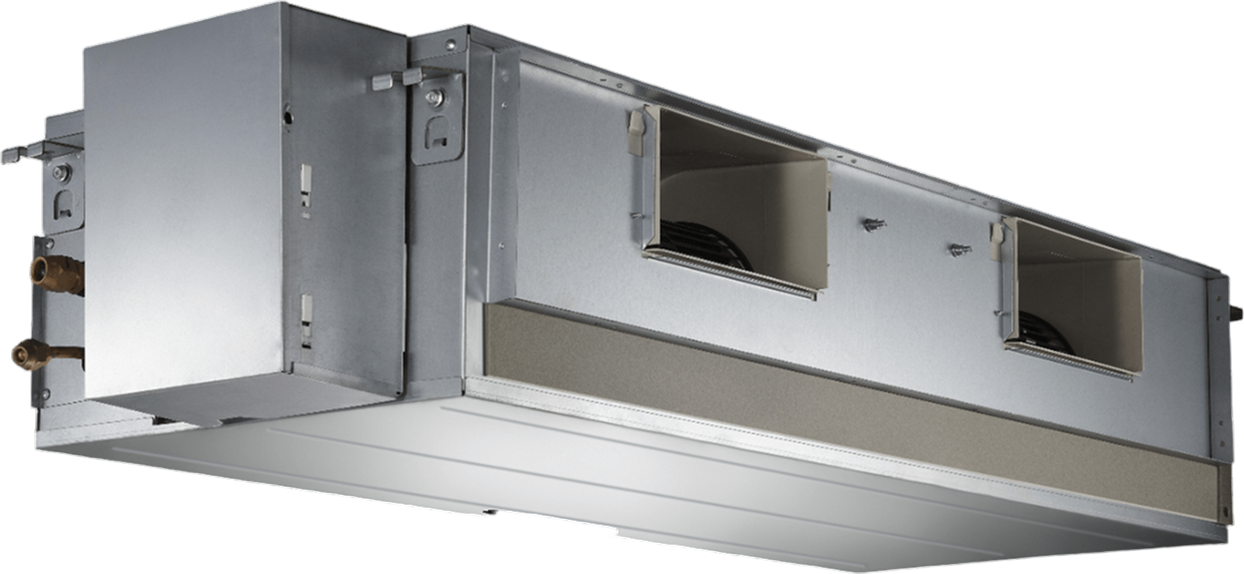
We are trained to install, service, and repair all Rinnai air conditioning systems, from split systems to ducted units.
We respond quickly to both maintenance requests and emergency repairs, ensuring minimal downtime.
Routine servicing ensures your Rinnai system operates at peak efficiency, saving you money on energy costs.
Our work is guaranteed to meet the highest standards, ensuring minimal disruption and maximum comfort.
Clogged filters, refrigerant issues.
Loose parts, malfunctioning motor.
Poor airflow, dirty coils.
Electrical faults, capacitor issues.
Need a new Rinnai system? Our experts will assess your space and recommend the best system for your requirements, ensuring a flawless installation.
Scheduled maintenance helps your Rinnai system run more efficiently, last longer, and reduce the likelihood of costly repairs.
Every 12 months.
Every 6 months.
Every 3 months
A well-maintained system uses less energy.
Regular servicing minimizes repair needs.
Clean filters reduce dust and allergens.
Servicing extends the overall lifespan of your unit.

Rinnai splits are a sensible mid-range choice and we install them across Sydney homes, apartments and small commercial spaces. The unit is only half the job. Capacity has to come from a heat load calculation, the outdoor unit needs clear airflow and service access, and the drainage has to fall properly or you will be chasing a leak in two summers. We measure the room, check glazing and orientation, then recommend from the current Rinnai range.
Wall structure and mounting height, the outdoor unit position and its clearances, pipe run length and fall, the condensate route, and whether the existing circuit can carry the load. If the switchboard needs work you hear about it in the quote, not after the unit is on the wall. For a wider look at options, see split system installations.
Where the hardware needs to disappear, Rinnai ducted systems do the job. One indoor unit, a duct network and zoned outlets. Zoning is the single biggest influence on running cost, so we design it around how the household actually lives. Bedrooms on one zone, living areas on another, spare rooms isolated entirely.
Most Sydney homes have roof space for ducted, but raked ceilings, double brick and heritage constraints change the approach and the cost. We check access during the assessment and tell you honestly whether ducted is viable or whether a multi split is the better answer. Compare ducted air conditioning if you are weighing up whole home coverage.
Testing order matters more than brand knowledge. Airflow first, then pressures, then electrics, then parts. A unit that is not cooling is more often restricted or low on charge than it is a failed board, and the difference is a few hundred dollars.
| Symptom | Likely cause | What we test |
|---|---|---|
| Running but not cooling | Low refrigerant from a leak, or a fouled coil | Pressure test, coil condition, temperature differential |
| Trips the safety switch | Compressor, capacitor or moisture in the electrics | Insulation resistance, winding and capacitor tests |
| Unit will not start | Supply fault, control board or failed capacitor | Supply voltage, board output, capacitor condition |
| Water leaking inside | Blocked condensate drain or pan | Drain flow, pan condition, drainage fall |
| Weak airflow from outlets | Blocked filter or duct restriction | Filter condition, static pressure, duct integrity |
On a split the fault sits in the head, the outdoor unit or the pipework between them. On ducted, a large share of faults live in the ductwork, the dampers or the return air path while the unit itself is working correctly. We test the whole system so you are not paying to replace a part that was never the problem.
Rinnai systems display a short code when the unit protects itself. The code narrows the fault to a circuit or a sensor, which is why we ask for it before attending. Our Rinnai error codes library is still being expanded, and every code that has a page so far is linked below.
The one we see most is F3, overvoltage or undervoltage detection. That is a supply quality fault, not a failed component, so the first thing we check is the incoming voltage under load rather than the unit itself. If your code is not listed, call with the code and the model number and we will identify it.
Regular servicing holds efficiency and keeps the manufacturer warranty intact. An unserviced system loses capacity slowly enough that owners stop noticing, then the first hot week exposes it. Every indoor head has its own filter, coil and drain, so a ducted or multi head system takes longer than a single split and is priced accordingly.
| System | Interval | What gets done |
|---|---|---|
| Rinnai split, home | Every 12 months | Filter, coil, drain flush, refrigerant and electrical checks |
| Rinnai multi split | 12 months, 6 near the coast | Every head serviced separately, plus the condenser |
| Rinnai ducted | 12 months, filters quarterly | Duct inspection, zone test, coil and drain |
| Commercial | Every 6 months | Higher duty cycle, documented service records |
Book Rinnai servicing before summer. If something is already failing, start with air conditioning repairs.
We supply and install current Rinnai split and ducted packages and service every Rinnai model sold in Australia, including older units where parts are still available. Current supply and install packages for each capacity are listed further down this page with models and pricing. If your model is not listed, send the model number from the indoor unit sticker and we will confirm what is available. Compare air conditioning types or see the brands we service.
Rinnai jobs are usually decided by the site rather than the unit. Three things move the figure: where the outdoor unit can sit and how much clearance it needs, how far the pipe run has to travel to reach it, and whether your switchboard can carry the load or needs upgrading first. The fourth factor is diagnosis quality on repair work, and it is the one people forget. Tracing a supply fault properly takes time, and a cheap call out that swaps a part on a hunch usually costs more across two visits than one measured diagnosis.
Check the model, the pipe allowance, whether the electrical work is inside the scope, and whether the quote mentions a supply check at handover. On repair quotes, ask a different question: what tests are included in the diagnosis. If the answer is a part name rather than a test, you are paying for a guess. A written scope that lists which tests were run is worth more than a lower call out charge.
What Sydney homeowners ask us most about Rinnai systems.
It depends on capacity, whether it is a split or ducted, the pipe run length and whether electrical work is needed. Our current Rinnai supply and install packages are listed on this page with models and pricing. Anything not listed gets a written quote after a site assessment, covering supply, labour and materials before anything is ordered.