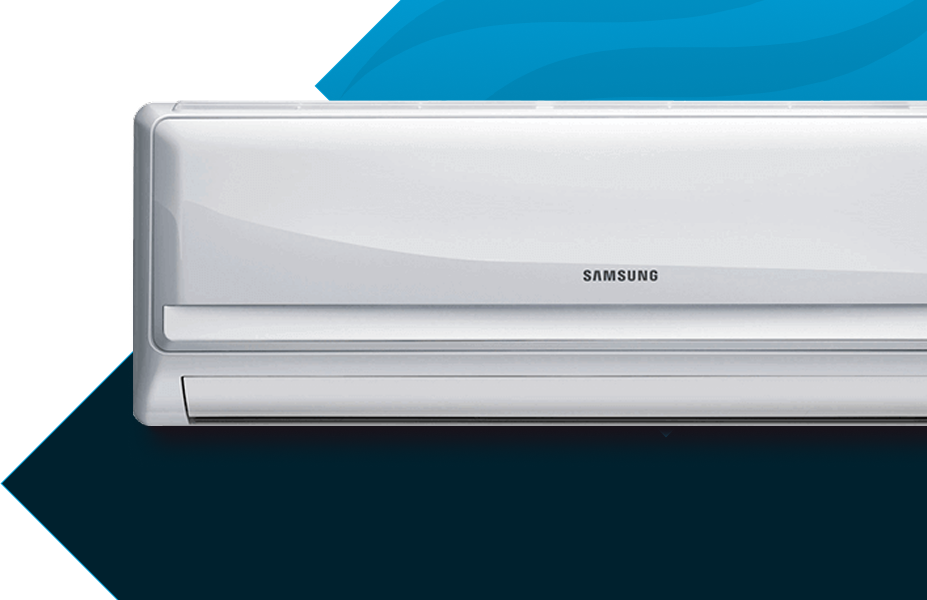
When it comes to keeping your home comfortable during the warmer months, a split air conditioning system can be your best ally. These systems are designed to cool, heat, and dehumidify, offering more than just temperature control. One of the lesser-known features on many modern split system air conditioning units is the “Dry Mode”. If you’ve noticed it on your air conditioner but aren’t sure what it does or how to use it effectively, this guide will give you all the details you need.
What is Dry Mode on an Air Conditioning System?
In simple terms, the dry mode on your split air conditioning Sydney helps reduce humidity levels in the room without necessarily lowering the temperature. It’s designed to function as a dehumidifier, extracting moisture from the air to make the environment more comfortable, especially in areas with high humidity.
Unlike regular cooling modes, where the air conditioner lowers both the temperature and the humidity simultaneously, the dry mode focuses on extracting moisture from the air while maintaining a more stable temperature. It works by running the compressor at a low speed, causing the split air conditioning unit to work more efficiently in humid conditions, while ensuring that the room temperature doesn’t drop drastically.
How Does Dry Mode Work in an Air Conditioning Split System?
A split air conditioning unit operates by circulating refrigerant through the system to cool the air. In dry mode, the system focuses primarily on the refrigerant’s ability to condense moisture from the air.
Here’s how the process works:
- Warm Air Intake: The humid air enters the unit’s indoor evaporator coil.
- Condensation: As the warm air passes through the coil, the moisture in the air condenses, similar to how water droplets form on a cold glass of water.
- Dehumidification: The moisture that condenses is collected and drained away, reducing the humidity in the room.
- Air Circulation: The now drier air is recirculated back into the room, resulting in a less humid environment without a significant drop in temperature.
The split system air conditioning service you use can have a huge impact on the effectiveness of the dry mode. If your unit is regularly maintained, it will ensure that the dehumidifying process works optimally, as dirt and grime buildup can hinder airflow and efficiency.
When Should You Use Dry Mode?
1. Humid Weather
If you live in Sydney or other coastal areas where humidity levels are high, especially during summer months, you may find dry mode particularly useful. When the air feels damp or muggy but isn’t too hot, switching to dry mode can make the room feel more comfortable without needing to cool the air drastically.
2. Improving Comfort without Lowering the Temperature
There are times when you don’t want to cool down the room further, such as when it’s already cool enough but still feels sticky. In this situation, the dry mode helps maintain the comfort level without the excessive coldness.
3. Drying Wet Spaces
After a rainy day, or if you’re drying wet clothes indoors, the dry mode can help remove the excess moisture in the air, reducing the dampness and creating a more comfortable environment.
4. Preventing Mould and Mildew
Excess moisture in the air can lead to mould and mildew, particularly in bathrooms, kitchens, or other areas prone to dampness. Using dry mode regularly can help prevent these issues by controlling the humidity level and ensuring your space remains fresh and dry.
Benefits of Dry Mode in Split Air Conditioning Units
The dry mode feature is not just about comfort; it also offers several other benefits:
1. Enhanced Comfort
By lowering the humidity without excessively cooling the room, dry mode creates a more comfortable living space, especially in humid climates like Sydney, where temperatures can be high but the air feels uncomfortable due to moisture.
2. Energy Efficiency
Dry mode can also help you save on energy. Because it uses less power than the full cooling mode, it’s an energy-efficient way to improve comfort. While you won’t get the cooling effect of regular air conditioning, you’ll still enjoy drier, more breathable air.
3. Reduced Health Risks
High humidity levels can cause discomfort and lead to issues like breathing difficulties, particularly for individuals with respiratory conditions. By reducing humidity, dry mode can help improve air quality, making the environment healthier.
4. Protects Furniture and Electronics
Excess moisture in the air can cause wooden furniture to swell or electronic devices to malfunction. By reducing humidity, dry mode helps protect your belongings from the damage that comes with moisture exposure.
How to Use Dry Mode on Your Split Air Conditioning Unit
Using dry mode on your air conditioning split system is simple, but it’s important to understand when and how to use it for the best results. Here’s a step-by-step guide:
1. Activate the Mode
Most split air conditioning systems have a dedicated button or setting for dry mode. Look for a symbol on your remote control that looks like a water droplet or the word “Dry”. Simply press this button to switch your system to dry mode.
2. Set Your Desired Temperature
In dry mode, the temperature won’t drop dramatically, but you can still set it to a level that feels comfortable. Keep in mind that the unit will not cool the room as aggressively as it would in normal cooling mode.
3. Monitor Your Space
If the humidity starts to feel comfortable and the air no longer feels heavy, you can leave the split air conditioning Sydney on dry mode for longer periods. If you feel the room needs more cooling, switch back to normal cooling mode.
4. Turn Off When Not Needed
Once the humidity levels have dropped to your desired level, it’s best to switch the split air conditioning unit off. Continuous use of dry mode without cooling can make the room feel too dry, so it’s important to use this mode only when necessary.
Is Dry Mode Better Than Dehumidifiers?
Both dry mode in split air systems and standalone dehumidifiers aim to reduce humidity levels in a room, but they work in slightly different ways.
- Dry Mode: This feature in a split system air conditioning unit is designed to work efficiently in areas with moderate humidity. It’s a convenient, all-in-one solution because it’s built into the air conditioner, so you don’t need to buy an extra appliance.
- Dehumidifiers: These appliances are dedicated solely to moisture removal. They are generally more effective at removing moisture from the air compared to dry mode, especially in very damp conditions. However, they don’t provide cooling, and they require more energy than the dry mode on your air conditioning split system.
Ultimately, it depends on your needs. If you just want to maintain comfort in a moderately humid room, dry mode is your best option. For more extreme humidity or dedicated moisture control, a dehumidifier may be required.
Conclusion
Dry mode in your air conditioning Sydney can significantly improve indoor comfort, especially during Sydney’s hot and humid summer months. By understanding how this feature works and how to use it, you can make the most of your split air conditioning system, reduce humidity, and maintain a comfortable environment without excessively cooling the space. Remember, for peak performance, regular servicing of your split system AC unit ensures it operates efficiently and can deliver these benefits for years to come.
If you’re considering upgrading or servicing your split air system, don’t hesitate to get in touch with Skycon Air at 1300 264 424 or schedule a service for an outstanding split air conditioning service tailored to your needs. Stay comfortable, stay dry!