4.9 Star Google Rating




Error Code
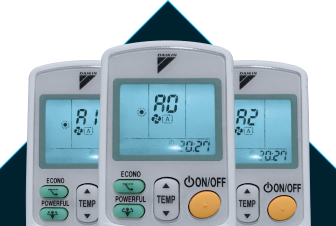
C5 means the system has detected a freeze-up. The evaporator coil has dropped to a temperature where ice can form on it, and ice on the coil blocks the air it needs, which makes the coil colder still. The system stops before the ice does real damage. Almost always this is about airflow or refrigerant charge rather than the coil itself.
A filter that has not been cleaned starves the coil of warm air, so the coil runs colder than it should and frosts. The same happens when the coil face itself is matted with dust that got past the filter. It is the most common cause of C5 by a wide margin and the cheapest to put right.
A system short of charge runs at lower pressure, which means a colder coil, which means ice. The frost often starts at the point where the refrigerant first enters the coil rather than evenly across it, and that pattern is a useful clue. Any shortfall means a leak that needs locating rather than gas that needs adding.
Even with a clean filter, a blower running below speed, a collapsed flexible duct, or a return grille blocked by furniture will reduce the air crossing the coil enough to freeze it. C5 then appears with the filter looking fine, which is why the duct and the fan get checked when the obvious answer is not there.
The filter comes out and is washed or replaced, then the coil face is inspected for dust matting and cleaned with a proper coil cleaner rather than brushed dry. Both are done before anything else is measured. On a system that has not been serviced in a couple of years, this alone frequently ends the C5.
With the ice fully thawed and the airflow confirmed good, charge is checked by subcooling and superheat against the manufacturer figures rather than by pressure alone. If it is short, the leak is found before any gas goes in. Charging a freezing system without that step usually brings the ice back within weeks.
Static pressure at the return and supply tells a technician whether the duct is restricting the system. Fan speed settings are checked against what the installation calls for, because a unit set to low speed on a long duct run will freeze. Correcting the airflow is the only thing that stops C5 recurring on a system with correct charge.