4.9 Star Google Rating




Error Code
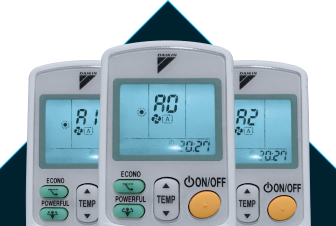
U2 reports a voltage problem in the outdoor unit DC circuit, either a drop or an overvoltage. The board monitors the supply it is working with, and when that moves outside its window the system stops rather than risk the inverter. This is nearly always a supply or connection issue rather than a failed part.
The inverter is sensitive to the supply it is given. Voltage that sags when the compressor starts, a loose neutral, or a circuit shared with heavy loads all push the reading out of range. Measuring at the outdoor isolator while the unit is trying to run is what confirms it.
Storm activity, grid switching and large equipment on the same property put transients through the outdoor board. The board catches them, reports U2 and stops. Repeat U2 codes at the same time of day are usually the clue, because that is when the other equipment runs.
Terminals that have worked loose, a contactor with burnt points or a cable that has been hot create resistance and a voltage drop under load. The board sees the drop and reports U2 on a part that is only doing its job. These are the cheap faults worth finding first.
Voltage is measured at the outdoor isolator at rest and again during a start attempt, then compared. A significant drop points at the circuit or the cable rather than the air conditioner. Correcting it is electrician work, and it is what stops the code coming back after every repair.
Where a multimeter shows normal voltage, a logger left in place for a day records the dips a meter misses. That record is what an electrician needs, and it also tells you whether the problem belongs to the property supply or to the unit. It is the fastest way to stop guessing.
The outdoor board and its power circuit are inspected for loose terminals, heat damage and a failing contactor, and the DC bus voltage is read directly. Anything that needs the casing open and live measurement is a licensed job, so this step belongs with a technician.