4.9 Star Google Rating




Error Code
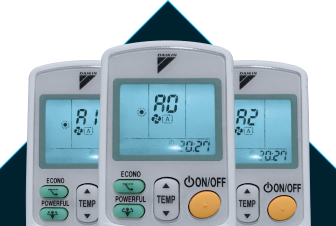
H9 means the outdoor air thermistor is not reading what the board expects. That sensor measures the outside air temperature, and the board uses it to decide how hard to run the system and when to defrost. A wrong reading makes the unit behave badly in weather it should handle easily, or stop altogether once the reading falls outside a plausible range.
The sensor sits in the outdoor airflow and is exposed to sun, rain and heat soak from the casing itself. It drifts, or its housing fills with water and the reading goes wild. Because it is a low cost part, replacing a suspected one is often quicker than proving it, provided the wiring is checked at the same time.
The lead runs from the outdoor board to the sensor through the unit own compartment. Heat hardens the insulation, rodents get into it and the plug corrodes. An intermittent H9 that comes and goes with the weather is more often the lead than the sensor, and the lead costs nothing to test.
A thermistor can fail open, fail shorted or drift. Open and shorted show up immediately on a resistance check, because the board sees an impossible value. Drift is slower and gets confirmed by comparing the sensor reading with a thermometer sitting beside it, which is why both tests are needed.
The sensor is located in the outdoor airflow and checked for water ingress, sun damage and correct mounting. Its resistance is measured against the ambient temperature and compared with the manufacturer table. A reading outside tolerance confirms the sensor and the part is replaced.
The plug at the outdoor board is unplugged, cleaned and reseated, and the lead is traced for chafing and rodent damage. Resistance is measured at the board end as well as at the sensor, so a difference between the two identifies the lead rather than the sensor.
Where the reading looks plausible but the system misbehaves, the sensor is compared against a thermometer placed beside the unit. A reading that lags or sits a few degrees out is drifting. That matters most in heating, where the board relies on this sensor to decide when to defrost.