4.9 Star Google Rating




Error Code
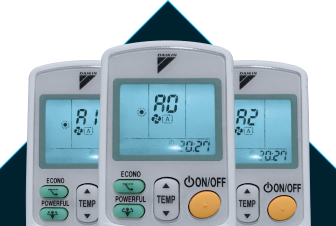
F3 means the discharge pipe temperature sensor is reading outside the range the system expects. That sensor sits on the pipe leaving the compressor, which is the hottest point in the circuit, and the board uses it to protect the compressor from overheating. A failed sensor either reports a temperature that does not exist or hides one that does.
The sensor is clamped to the hottest pipe in the system and lives with constant heat cycling. It drifts with age, and a drifted sensor reports a temperature that is plausible but wrong, which is more misleading than one that fails outright. It is an inexpensive part and it is the usual cause of F3.
The sensor lead runs from the compressor compartment back to the board through a hot, vibrating space. Insulation hardens and cracks, connectors corrode and the reading changes. Because the board cannot tell a hot pipe from a bad connection, the lead gets tested before the sensor is replaced.
A genuinely high discharge temperature means the compressor is running hotter than it should, usually from restricted flow, low charge or a condenser that cannot reject heat. F3 then appears because the sensor is working correctly. This is the case that matters most, because ignoring it damages the compressor.
The sensor is checked for correct clamping and for a resistance reading that matches the pipe temperature on a thermometer. A sensor that has come away from the pipe reads air temperature and produces exactly this code. Replacing or re-securing it is quick and cheap.
The lead is traced from the sensor to the board with attention to the compressor compartment, where heat damages insulation. The board end plug is reseated and tested. Resistance measured at both ends shows whether the fault is in the lead or inside the sensor itself.
Where the sensor and wiring are sound, the discharge temperature really is high and the cause is in the circuit. Superheat, subcooling and condenser condition are checked. This is a refrigeration diagnosis rather than a part swap, and it is the one that protects the compressor.