4.9 Star Google Rating




Error Code
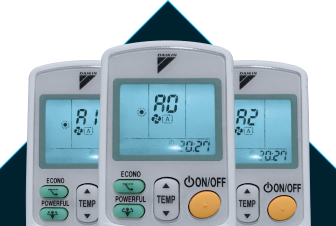
E0 means a safety device in the outdoor unit has operated. It is a general protection code rather than a specific fault, so it tells you the system stopped itself but not which device tripped first. Overcurrent, high pressure and discharge temperature protection can all produce E0. That is why the outdoor unit gets inspected before anything is replaced.
The outdoor unit draws current through a protection circuit, and if that current climbs above the safe limit the circuit trips and the board reports E0. A failing compressor, a short in the wiring or a fan that is not turning will all push current up. The cause is usually found by looking at what else is not working.
The board runs the protection logic, so a board misreading current or voltage will report E0 on a healthy system. This is the diagnosis of elimination: once the compressor, the fans and the supply have been checked and are good, the board becomes the likely answer. It is not the first thing to replace.
An unstable supply will trip protection repeatedly. Voltage that sags when the compressor starts, a loose neutral or a circuit shared with a large load can all do it. The clue is repeat E0 codes at the same time of day, often when other equipment on the property is running. Measuring at the isolator under load confirms it.
Isolate the outdoor unit for several minutes and restore power. A protection trip is designed to latch, so a reset is needed before the system will run again. What matters is what happens next: a quick repeat means a live fault, while a clean restart suggests a transient event such as a supply dip.
Supply voltage is measured at the outdoor isolator at rest and again while the compressor is starting, because that is when a weak supply shows itself. A significant drop points at the cable or the circuit rather than the air conditioner. Correcting the supply is outside the unit but it is what stops the code returning.
Each circuit in the outdoor unit is checked for insulation resistance and for a short to earth. The compressor windings are measured, and the fan motors are checked the same way. A short anywhere in that group will produce E0, and finding it stops a healthy board being replaced for no reason.