4.9 Star Google Rating




Error Code
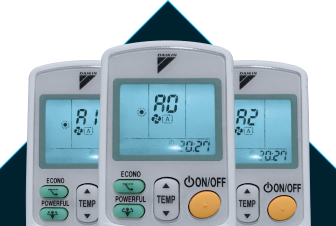
C9 is the sensor that measures the temperature of the air coming back into the indoor unit. The board uses that reading to judge how hard the system needs to work and when to protect the coil. When the reading stops making sense, the unit either loses control of its output or shuts down. A C9 on a system that still cools usually means the sensor has drifted rather than failed outright.
The return air sensor sits in the airflow and collects dust over years, which insulates it from the air it is meant to measure. That lag reads as a fault. The sensor can also drift internally with age. Both present the same way, and both are resolved by cleaning or replacing an inexpensive part.
The sensor lead runs through the indoor unit to the board and is exposed to vibration and condensate. A rubbed conductor or a corroded plug changes the resistance the board sees. On an intermittent C9 the wiring is the more likely of the two, and it is checked first because it costs nothing.
The board cross checks the return air reading against what the system is doing. If a blocked filter or a collapsed duct means very little air is moving, the sensor reads something the board considers impossible and reports C9. It is a sensor code caused by an airflow problem, which is why the filter gets checked first.
The sensor is located in the return air path and checked for dust coating, correct mounting and physical damage. Its resistance is measured and compared against the temperature table. A sensor that has drifted or reads open is replaced, and the replacement is seated so it sits properly in the airflow.
The lead is traced from the sensor to the board, with attention to any point where it passes a sharp edge or sits in condensate. The board end plug is reseated and tested. Resistance measured at both ends confirms whether the fault is in the lead or the sensor.
The filter, the return grille and the duct are checked for restriction, because a starved return will produce a C9 on a healthy sensor. Static pressure at the return tells a technician whether the duct is the problem. Fixing the airflow is the only thing that stops the code coming back.