4.9 Star Google Rating




Error Code
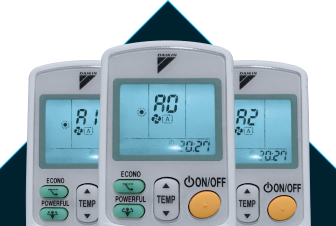
E3 is low pressure protection. Suction pressure fell below what the system needs and it stopped rather than run the compressor at a temperature it cannot survive. Low pressure narrows to two things on most systems: not enough refrigerant in the circuit, or not enough heat being picked up because airflow across the indoor coil is restricted.
Less gas in the circuit means less to compress, so suction pressure falls until the protection opens. It does not happen gradually on a sealed system, because refrigerant does not get used up. A shortfall is a leak by definition, and a system that needs gas each season is telling you it has one.
The common locations are flare joints, brazed connections, Schrader cores and the coil itself. Vibration, poor brazing and corrosion each take their turn, and some leaks only show once the system is hot. Pressure testing with nitrogen, or an electronic detector on a charged system, is how they get found.
A sensor can report low pressure on a system holding correct charge, which is why the reading is always cross checked against a gauge. A sensor that does not follow the gauge is the fault. Replacing it is far cheaper than a recharge that was never needed, and it is the check that prevents one.
Suction pressure and superheat are measured together and compared against the manufacturer figures for the outdoor temperature. If the charge is short, the leak search happens before any gas goes in. Refilling without that step simply resets the clock on the next E3.
Every joint is checked with an electronic detector, with flare connections and Schrader cores getting particular attention because they fail most often. Where nothing shows, the circuit is pressure tested with nitrogen and left to stand. The pressure drop proves a leak; the detector finds where it is.
The sensor is tested against a gauge on the same service port. A reading that diverges, or one that stays flat while pressure changes, confirms the sensor. The plug and lead are checked at the same time, because a poor connection produces exactly the same symptom as a failed sensor.