When most people think about staying cool in summer, they think about temperature. But if you’ve ever walked into a room that felt stuffy and clammy despite the air conditioner running, you’ve already felt humidity at work.
Humidity is one of the most misunderstood factors in home comfort. It affects how cool your space feels, how hard your system works, and how healthy your indoor air actually is. In Sydney, where summer humidity regularly climbs above 70%, this matters a lot.
You’ll learn what humidity actually is, how it interferes with your cooling system, and how a properly sized and air conditioning installation in Sydney manages moisture to keep your home genuinely comfortable year-round.
Understanding Humidity: The Basics
Humidity refers to the amount of water vapour present in the air. The term you’ll hear most often is relative humidity (RH), which is the percentage of moisture in the air compared to the maximum amount it can hold at a given temperature.
Here’s the key thing to understand: warm air holds more moisture than cool air. So when temperatures rise, the air’s capacity for moisture rises with it.
The human comfort zone sits between roughly 40% and 60% relative humidity. Below 40%, the air feels dry and can irritate your skin, eyes, and respiratory system. Above 60%, the air starts to feel heavy and muggy. Sweat doesn’t evaporate efficiently from your skin, so even a moderately warm room can feel oppressively hot.
In Sydney’s humid coastal climate, high humidity during the warmer months is the norm, not the exception. This is exactly why understanding how your air conditioner handles moisture is so important.
Humidity’s Impact on Cooling Performance
High humidity doesn’t just make you uncomfortable. It actively undermines your cooling system’s ability to do its job.
Here’s why. When relative humidity is high, the air already carries a heavy moisture load. Your body cools itself by sweating, and sweat cools you by evaporating off your skin. When the surrounding air is saturated with moisture, that evaporation slows dramatically. The result is that you feel warmer than the actual air temperature suggests.
This creates a misleading scenario where your air conditioner is technically hitting the target temperature, but the room still feels uncomfortable. Many Sydney home owners respond by turning the thermostat lower and lower, forcing the system to work harder and consume more energy.
High humidity also encourages mould and mildew growth inside ducts, on walls, and around vents. It increases condensation on cold surfaces, which can cause water damage over time. In commercial settings, excessive moisture can compromise equipment, inventory, and air quality for staff.
The practical upshot is clear: temperature control and humidity control are not separate jobs. They need to work together, and your air conditioning system is the main tool that achieves both.
Air Conditioning and Dehumidification
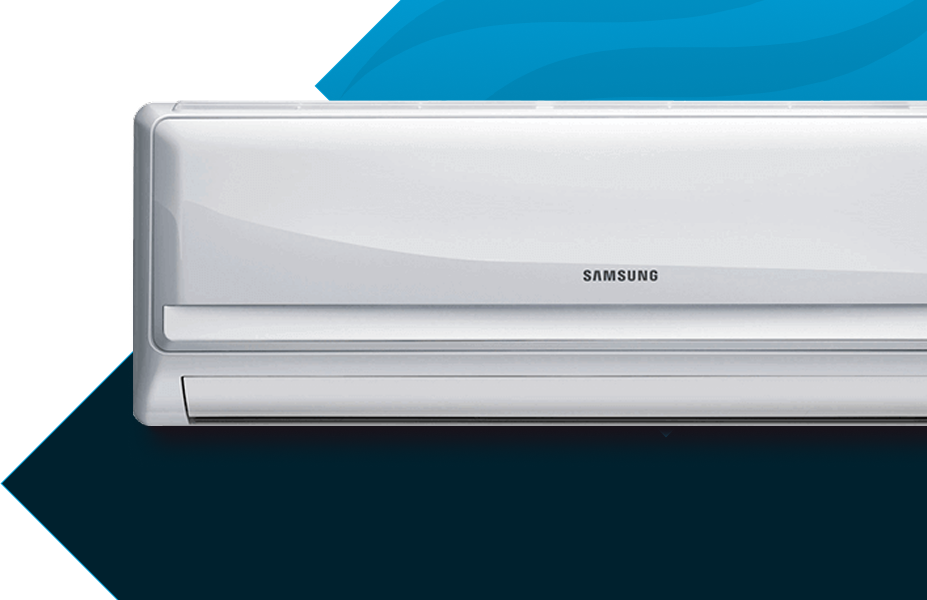
One of the less talked-about functions of a modern air conditioner is dehumidification, and it happens automatically as part of the cooling process.
Here’s how it works. As warm, humid air is drawn across the evaporator coil (the cold component inside your indoor unit), the air temperature drops below its dew point. The dew point is the temperature at which water vapour in the air begins to condense into liquid. Moisture collects on the coil’s surface and drains away through the condensate drain, removing it from your indoor environment entirely.
This process is why you’ll notice a drain tray and drain pipe on your indoor unit. That water isn’t a fault. It’s your system actively pulling moisture out of the air.
However, the effectiveness of this dehumidification depends heavily on a few factors.
System sizing matters. An oversized air conditioner cools the room too quickly and shuts off before it has had enough run time to adequately dehumidify the air. This is called short cycling, and it’s one of the most common causes of rooms that feel cool but still clammy. A correctly sized unit runs longer, steadier cycles, removing both heat and moisture properly.
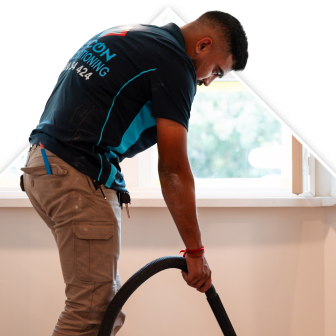
Installation quality matters. A poorly fitted system with incorrect refrigerant charge, blocked drainage, or inadequate airflow will struggle to manage humidity effectively regardless of its rated capacity. This is why professional air conditioner installation in Sydney by qualified technicians is not just about getting the unit on the wall. It’s about ensuring the whole system is calibrated and operating correctly from day one.
System type matters. Ducted air conditioning systems with built-in humidity sensors and variable-speed compressors are particularly effective at managing moisture across large homes. Split systems handle individual rooms well, but whole-home humidity management generally calls for a whole-home solution.
For Sydney properties dealing with persistent dampness or stuffiness, some home owners also add a dedicated dehumidifier to complement their air conditioning Sydney. This is worth discussing with a qualified technician during your consultation, particularly for older homes with limited air circulation.
Smart Cooling Starts With Understanding Your Air
Humidity is not a secondary concern. It is central to how comfortable, healthy, and efficient your indoor environment actually is. When humidity is too high, your body struggles to cool itself, your air conditioner works harder than it should, and your home becomes vulnerable to mould, condensation, and ongoing discomfort. A modern air conditioner manages both temperature and moisture simultaneously, but only when it is correctly sized and properly installed. Short cycling, poor drainage, and inadequate airflow all compromise dehumidification. In Sydney’s warm, coastal climate, these are not minor issues. They directly affect your comfort and your running costs every single day.
At Skycon Air, we’ve been delivering high-quality air conditioning installation in Sydney for residential, commercial, and construction clients across the city. From split systems to full ducted installations, every job comes with a complimentary consultation and design, end-to-end supply and installation, and thorough system testing before we leave. Our team holds a 4.9-star Google rating from over 240 verified reviews because we treat every project with the same standard of care, regardless of size.
If you’re planning an aircon installation or looking to upgrade your current system to one that handles Sydney’s humidity properly, get in touch with the Skycon Air team today. We service all of Sydney, and we’ll make sure your system is sized, installed, and calibrated to keep you genuinely comfortable year-round, not just temperature-comfortable.
Give us a call on 1300 264 424 or schedule a service online to book your excellent AC installation and maintenance services!